
مقاله 0027

لِویاتانِ تک‌صدا و سیاستِ بازگشت به قهقرا:

در باب نوسلطنت‌ طلبی، باستان‌گرایی و فروپاشیِ افقِ سیاست در ایرانِ معاصر

آنچه امروز در قالبِ بازگشتِ پرهیاهو و گاه تهاجمیِ گفتمانِ سلطنت‌طلبی در فضای سیاسی و رسانه‌ای ایران ظهور کرده، صرفاً احیای یک خاطره یا نوستالژی تاریخی نیست، بلکه نشانه‌ای عمیق از بحرانی حل‌نشده در سطحِ سوژگیِ سیاسی، تخیلِ جمعی و فهمِ امرِ مدرن است.

            سلطنت در اینجا نه فقط یک نهادِ سیاسیِ منقرض‌شده، بلکه یک «الگوی ذهنیِ قدرت فردی» است؛ الگویی که حتی پس از فروپاشی نهادی‌اش، همچنان در ناخودآگاه سیاسی جامعه بازتولید می‌شود و در لحظاتِ بحران، خود را بدروغ به‌مثابۀ راه‌حل، نجات یا بدیل جا می‌زند. این بازگشت، بیش از آنکه رو به آینده داشته باشد، نشانه‌ ناتوانیِ جمعی ایرانیان در گسستِ واقعی از گذشته و عبور از منطقِ اقتدارِ متمرکز به دموکراسی جمهور مردم است.

            در مرکزِ این پدیده، با نوعی سیاستِ تک‌صدا مواجه‌ایم؛ سیاستی که نه بر گفت‌وگو، بلکه بر حذف بنا شده است. سیاستی که به‌جای پذیرشِ تکثرِ ذاتیِ جامعۀ مدرن، در پیِ استقرارِ یک روایتِ نهایی، یک صدای مسلط و یک مرکزِ غیرقابلِ پرسش است. این همان بی منطقیی است که میخائیل باختین آن را مونولوژیسم می‌نامید؛ وضعیتی که در آن، حقیقت نه محصولِ برهم‌کنشِ صداهای متکثر، بلکه نتیجۀ تحمیلِ یک صدا بر سایر صداهاست. نوسلطنت‌طلبیِ معاصر دقیقاً در همین افق عمل می‌کند: افقی که در آن، نقد نه بخشی از سیاست، بلکه تهدیدی علیه «وحدت» تلقی می‌شود و منتقد، نه شهروند، بلکه دشمن است.

            در این چارچوب، مفهومِ «وحدتِ ملت» نیز دچار استحاله می‌شود. وحدت، به‌جای آنکه نتیجۀ قراردادِ آزادانۀ شهروندانِ برابر باشد، به ابزاری برای یکسان‌سازیِ قهری بدل می‌شود. ملتِ واحد، نه به‌مثابۀ کثرتی هم‌سرنوشت، بلکه به‌مثابۀ بدنی همگن تصور می‌شود که باید حولِ یک نام، یک چهره و یک روایت سامان یابد. هر صدایی که این تصویرِ هموار و بی‌درز را مخدوش کند، به‌سرعت با انگِ تفرقه، بحران یا تهدید طرد می‌شود. اینجاست که وحدت، به‌جای آنکه مفهومی دموکراتیک باشد، به منطقِ حذفِ دیگری بدل می‌گردد و سیاست، از عرصۀ گفت‌وگو به میدانِ اطاعت فروکاسته می‌شود.

            باستان‌گرایی، به‌عنوانِ ستونِ ایدئولوژیکِ این گفتمان، نقشی تعیین‌کننده در این فرآیند دارد. توسلِ مداوم به گذشته‌ای استوره‌ای، پالایش‌شده و خیالی، نه تلاشی برای فهمِ تاریخی، بلکه گریزی از اکنون و ناتوانی در مواجهه با پیچیدگی‌های سیاستِ مدرن است.

            تاریخ، در این منطق، نه عرصۀ تعارض، شکست و یادگیری، بلکه انبارِ نمادهایی است که باید برای مشروعیت‌بخشی به قدرتِ امروز مصرف شوند. تجربه‌های تاریخیِ قرن بیستم به‌روشنی نشان داده‌اند که چنین باستان‌گرایی‌ای اغلب با اشکالِ مختلفی از فاشیسم پیوند می‌خورد؛ زیرا فاشیسم نیز با وعدۀ بازگشت به «عصرِ طلایی»، فردیت را در کلِ استوره‌ایِ ملت حل می‌کند و رهبر را جای ارادۀ جمعی می‌نشاند.

            در این نقطه، ارجاع به ماکیاول و رئالیسمِ سیاسی، هم‌زمان افشاگر و مسئله‌ساز می‌شود. برخی می‌کوشند رضا پهلوی را در قامتِ نوعی «شهریارِ ضروری» تصویر کنند و او را مترادف یا هم‌سنخِ ماکیاول بنشانند؛ گویی ما با نسخه‌ای بومی از رئالیسمِ سیاسی مواجه‌ایم که قرار است در لحظۀ بحران، نظم را بازگرداند. اما این قیاس، اگر ماکیاول را جدی بخوانیم، نه‌تنها نادرست، بلکه تحریف‌آمیز است.

            نخست باید مرزبندیِ خود را با ماکیاول روشن کرد. ماکیاول، برخلافِ قرائت‌های سطحی، مدافعِ استبدادِ شخصی یا تقدیسِ قدرت نبود. او فرزندِ بحرانِ دولت‌شهریِ ایتالیاست و دغدغۀ اصلی‌اش، تأسیسِ دولت و پایان‌دادن به آشوبِ مزمن، مداخلۀ بیگانگان و زوالِ امرِ سیاسی بود. ماکیاول سیاست را از الهیات، اخلاقِ مسیحی و تقدیرگرایی جدا کرد و آن را به عرصۀ کنشِ انسانی، مسئولیت و تصمیم فروکاست. فضیلتِ ماکیاولستی، نه اخلاق‌گریزیِ مبتذل، بلکه تواناییِ فهمِ مناسباتِ قدرت، سازمان‌دهی، جسارت و ساختنِ نهاد است. با همۀ انتقاداتِ جدی‌ای که می‌توان و باید به ماکیاول داشت ــ از تقلیلِ اخلاق تا خطرِ عادی‌سازیِ خشونت ــ او دست‌کم سیاست را به سطحِ عقلانیتِ تاریخی و مسئولیتِ کنش ارتقا می‌دهد.

            از همین‌جاست که نقدِ تند و بی‌امان به رضا پهلوی آغاز می‌شود. مسئله صرفاً این نیست که او ماکیاولستی نیست؛ مسئله این است که او حتی شایستۀ مقایسه با ماکیاول هم نیست. ماکیاول از «شهریارِ نو» سخن می‌گفت؛ از کنشگری که با اتکا به توانِ خود، نه به بخت و وراثت، تاریخ را دگرگون می‌کند. در مقابل، آنچه امروز عرضه می‌شود، تکیۀ عریان بر نامِ خانوادگی، سرمایۀ نمادینِ موروثی و انتظارِ مداخلۀ نیروهای خارجی است. فقدانِ هرگونه نظریۀ منسجمِ دولت، ناتوانی در سازمان‌دهی پایدار، و جایگزینیِ مشارکتِ سیاسی با واگذاریِ اراده، نشان می‌دهد که این پروژه نه حتی یک رئالیسمِ سیاسی، بلکه نوعی ضد سیاست است.

            اگر ماکیاول بر فضیلت در برابرِ بخت تأکید داشت، اینجا ما با سیاستی مواجه‌ایم که تماماً بر بخت استوار است؛ بختِ تولد در یک خاندان. اگر ماکیاول بر نهادسازی و ارتشِ ملی تأکید می‌کرد، اینجا سیاست به نمایش، رسانه و لابی فروکاسته شده است. اگر ماکیاول دغدغۀ وحدتِ سیاسی داشت، این پروژه عملاً به عاملِ تفرقه بدل شده است. بنابراین، حتی از منظرِ ماکیاولیستی نیز، این جریان نه راه‌حل، بلکه بخشی از مسئله است؛ و دقیقاً به همین دلیل، ارجاع به ماکیاول، به‌جای مشروعیت ‌بخشی، ناخواسته پرده از فقرِ نظری و سیاسی این گفتمان برمی‌دارد.

            در سطحِ روانی و اجتماعی، این بازگشت بدون زمینه نیست. جامعه‌ای که دهه‌ها در وضعیتِ سرکوب، ناامنی و تعلیق زیسته، مستعدِ پناه‌بردن به چهره‌های اقتدارگراست. گریز از آزادی، آن‌گونه که فروم توصیف می‌کرد، در چنین شرایطی فعال می‌شود: آزادیِ بدونِ نهاد و تضمین، اضطراب‌آور است و اقتدار، حتی در شکلِ شکست‌خورده‌اش، به‌مثابۀ وعدۀ نظم ظاهر می‌شود. بسیاری از مناسکِ نوستالژیک، نه حاصلِ تحلیلِ تاریخی، بلکه واکنش‌های عاطفی به ترومای جمعی‌اند.

            اما خطرناک‌ترین بُعدِ این پدیده، فروپاشیِ مرزهای اخلاقی در دلِ آن است. وقتی سیاست به نبردِ خیر و شرِ مطلق فروکاسته می‌شود، حذفِ دیگری مشروع می‌گردد. ارعابِ مجازی، حذفِ نمادین، توجیهِ خشونت و تطهیرِ سرکوب، همه نشانه‌های این زوال‌اند. در این نقطه، تفاوتِ اخلاقی میانِ آنچه نقد می‌شود و آنچه به‌عنوانِ بدیل عرضه می‌گردد، به‌شدت مخدوش می‌شود و چرخۀ استبداد، با لباسی نو، بازتولید می‌گردد.

            مسئلۀ بنیادین، در نهایت، نه یک شخص است و نه یک خاندان، بلکه پارادایمِ سیاست است. تا زمانی که سیاست در افقِ تک‌صدایی، منجی‌محوری و الهیاتِ پنهانِ قدرت اندیشیده شود، هر بدیلی، فارغ از ظاهرِ سکولار یا مدرنش، در معرضِ بازتولیدِ همان منطقِ اقتدار است. گذارِ واقعی، مستلزمِ عبور از وسوسۀ لِویاتانِ جدید و پذیرشِ سیاست به‌مثابۀ عرصۀ چندصدایی، تعارض و مسئولیتِ جمعی است؛ جایی که قانون بر فرد، و شهروند بر وارث و منجی تقدم دارد.

سخن پایانی

ایرانِ امروز بیش از هر زمانِ دیگر نیازمندِ بلوغِ سوژۀ سیاسی است؛ سوژه‌ای که نه در جست‌وجوی پدرِ مقتدر، بلکه در پیِ نهادِ پاسخگو، قراردادِ اجتماعی و برابریِ واقعی در دلِ ملتِ واحد باشد. بدونِ این گذارِ عمیقِ فکری و نهادی، هر بازگشتی ــ حتی اگر به‌نامِ نجات و رهایی عرضه شود ــ چیزی جز بازتولیدِ اشباحِ گذشته و تعویقِ دوبارۀ آزادی نخواهد بود. سیاست، اگر قرار است رهایی‌بخش باشد، باید از سایۀ تاج و عمامه، هر دو، عبور کند.

اگر قرار باشد همۀ این بحث‌ها در یک افقِ جمع‌بندی‌شده به هم برسند، باید گفت خطرِ اصلیِ نوسلطنت‌طلبی نه در خودِ نوستالژی، بلکه در «منطقِ بلعیدن» نهفته است؛ منطقی که هم در سطحِ هویتی، هم در سطحِ سیاسی و هم در سطحِ تاریخی عمل می‌کند. بلعیدنِ صداهایِ متکثر ــ به‌ویژه در نسبت با مسئلۀ اقوام، تمرکززدایی و فدرالیسم ــ صرفاً یک اختلافِ فنی بر سرِ مدلِ حکمرانی نیست، بلکه نشانۀ یک ناتوانیِ عمیق‌تر در پذیرشِ سیاست به‌مثابۀ عرصۀ چندصدایی است. در این منطق، هر مطالبۀ متفاوت، هر زبانِ غیرمرکزی و هر تصورِ بدیل از سامانِ قدرت، نه به‌عنوانِ حقِ سیاسی، بلکه به‌مثابۀ تهدیدی علیه «وحدتِ ملتِ واحد» فهم می‌شود؛ وحدتی که عملاً نه حاصلِ رضایتِ آزادانه، بلکه محصولِ حذف و همسان‌سازی است. این همان نقطه‌ای است که سیاست به انکارِ دیگری و ملت به بدنی بی‌صدا فروکاسته می‌شود.

            این بلعیدن، در سطحِ ایدئولوژیک، با پاتولوژیِ باستان‌گرایی پیوند می‌خورد؛ با نوعی ناسیونالیسمِ جابه‌جاکننده که به‌جای مواجهه با تاریخِ واقعی، متکثر و پرتناقض، جامعه را به گذشته‌ای خیالی، پالایش‌شده و استوره‌ای پرتاب می‌کند. چنین ناسیونالیسمی، نه برای فهمِ گذشته، بلکه برای گریز از حال ساخته می‌شود. «گذشته» در اینجا نه موضوعِ نقد، بلکه منبعِ تقدس است؛ و همین تقدس، راه را بر هرگونه عقلانیتِ انتقادی می‌بندد. وقتی تاریخ به استوره بدل شود، سیاست ناگزیر به آیین تبدیل می‌شود و آیین، همواره مستعدِ اطاعت است و نه گفت‌وگو.

            تجربه‌های تاریخیِ ژاپنِ امپراتوری و آلمانِ نازی به‌روشنی نشان می‌دهند که باستان‌گراییِ سیاسی، وقتی با بحرانِ مدرنیته و اضطرابِ جمعی گره می‌خورد، می‌تواند به یکی از مؤثرترین بسترهای فاشیسم بدل شود. توسل به «عصرِ طلایی»، پیوندزدنِ رهبر با تاریخِ استوره‌ای، و حل‌کردنِ فرد در کلِ ملت، سازوکارهایی‌اند که بارها آزموده شده‌ و همواره به فاجعه انجامیده‌اند. فاشیسم، پیش از آنکه با سرکوبِ عریان آغاز شود، با همین تخیلِ تاریخیِ معیوب آغاز می‌شود؛ با وعدۀ بازگشت، نه با طرحِ آینده.

            از این منظر، خطرِ نوسلطنت‌طلبی نه یک خطرِ صرفاً سیاسی، بلکه خطری معرفتی و تمدنی است: خطرِ جایگزینیِ شهروند با رعیت، گفت‌وگو با اطاعت، و تاریخ با استوره. جامعه‌ای که نتواند تکثرِ درونیِ خود را ــ زبانی، قومی، فرهنگی و سیاسی ــ به رسمیت بشناسد، ناگزیر برای حفظِ «وحدت»، به اقتدار پناه می‌برد؛ و اقتدار، هر نامی که داشته باشد، در نهایت به انسدادِ سیاست و فاجعه می‌انجامد.

            ایرانِ امروز، اگر قرار است از چرخۀ بازگشتِ استبداد رهایی یابد، باید هم‌زمان از دو وسوسه عبور کند: وسوسۀ حذفِ دیگری به نامِ وحدت، و وسوسۀ پناه‌بردن به گذشته به نامِ هویت. بدونِ این عبورِ دوگانه، هر پروژه‌ای که وعدۀ نجات می‌دهد، دیر یا زود به بازتولیدِ همان ساختارهایی خواهد انجامید که خود مدعیِ نفیِ آن‌هاست. آیندۀ ایران نه در احیای اشباحِ تاریخ، بلکه در به‌رسمیت‌شناختنِ تکثرِ زندۀ اکنون و ساختنِ نظمی است که در آن، هیچ صدایی برای «واحد» شدن، بلعیده نشود.

نویسنده مقاله آقای سلیمان بایزیدی. با درود بر ایشان جسارتاً املاء و انشای برخی کلمات برای فهم آسانتر مطلب تغییر داده شده است.
مقاله 0028

The Monologic Leviathan and the Politics of Regression:

On Neo-Monarchism, Archaism, and the Collapse of the Political Horizon in Contemporary Iran

What has emerged today in the form of a clamorous, sometimes aggressive, return of monarchist discourse in Iran’s political and media space is not merely the revival of a memory or historical nostalgia. Rather, it is a profound sign of an unresolved crisis at the level of political subjectivity, collective imagination, and the understanding of the modern condition.

Here, monarchy is not just an extinct political institution, but a “mental model of individual power”—a model that, even after its institutional collapse, continues to be reproduced in the political unconscious of society and, in moments of crisis, falsely presents itself as a solution, salvation, or alternative. This return, more than facing the future, signifies the collective inability of Iranians to make a genuine break from the past and to transition from the logic of centralized authority to a republic of the people.

At the heart of this phenomenon, we encounter a kind of monologic politics—a politics founded not on dialogue, but on elimination. A politics that, instead of accepting the inherent plurality of modern society, seeks to establish a final narrative, a dominant voice, and an unquestionable center. This is precisely the illogic that Mikhail Bakhtin called monologism: a situation where truth is not the product of the interaction of multiple voices, but the result of imposing one voice over all others. Contemporary neo-monarchism operates precisely within this horizon: a horizon where critique is not considered part of politics, but a threat to “unity,” and the critic is not a citizen, but an enemy.

Within this framework, the concept of “national unity” also undergoes a metamorphosis. Unity, instead of being the result of a free contract among equal citizens, becomes a tool for forced homogenization. A unified nation is imagined not as a plurality sharing a common destiny, but as a homogeneous body that must be organized around a single name, a single face, and a single narrative. Any voice that disrupts this seamless, smooth image is quickly stigmatized as divisive, crisis-mongering, or threatening and is expelled. This is where unity, instead of being a democratic concept, transforms into a logic of eliminating the other, and politics is reduced from the sphere of dialogue to a field of obedience.

Archaism, as the ideological pillar of this discourse, plays a decisive role in this process. The constant recourse to a mythical, purified, and imagined past is not an attempt at historical understanding, but an escape from the present and an inability to confront the complexities of modern politics. History, in this logic, is not the arena of conflict, failure, and learning, but a warehouse of symbols to be consumed for legitimizing today’s power. The historical experiences of the 20th century have clearly shown that such archaism often intertwines with various forms of fascism; because fascism, too, by promising a return to a “golden age,” dissolves individuality into the mythical whole of the nation and substitutes the leader for the collective will.

At this point, the reference to Machiavelli and political realism becomes simultaneously revealing and problematic. Some try to portray Reza Pahlavi in the guise of a kind of “necessary prince” and equate or liken him to Machiavelli; as if we are facing a local version of political realism destined to restore order in a moment of crisis. However, this analogy, if we take Machiavelli seriously, is not only incorrect but distorting.

First, our demarcation from Machiavelli must be clarified. Machiavelli, contrary to superficial readings, was not an advocate of personal despotism or the sanctification of power. He was a child of the crisis of the Italian city-state, and his primary concern was the founding of the state and putting an end to chronic chaos, foreign intervention, and the decline of the political. Machiavelli separated politics from theology, Christian morality, and determinism, reducing it to the sphere of human action, responsibility, and decision. Machiavellian virtù is not vulgar amoralism, but the ability to understand power relations, to organize, to have audacity, and to build institutions. Despite all the serious criticisms one can and must level at Machiavelli—from the reduction of ethics to the danger of normalizing violence—he at least elevates politics to the level of historical rationality and the responsibility of action.

It is from here that the sharp and relentless critique of Reza Pahlavi begins. The issue is not merely that he lacks Machiavellian virtù; the issue is that he is not even worthy of comparison with Machiavelli. Machiavelli spoke of the “new prince”—an actor who, relying on his own capability (virtù), not on fortune or inheritance, transforms history. In contrast, what is offered today is a naked reliance on family name, inherited symbolic capital, and the expectation of intervention by foreign powers. The absence of any coherent theory of the state, the inability to organize sustainably, and the substitution of political participation with the surrender of will, all indicate that this project is not even a form of political realism, but a kind of anti-politics.

If Machiavelli emphasized virtù over fortuna, here we face a politics entirely based on fortuna—the fortune of being born into a certain lineage. If Machiavelli emphasized institution-building and a national army, here politics is reduced to spectacle, media, and lobbying. If Machiavelli was concerned with political unity, this project has in practice become a factor of division. Therefore, even from a Machiavellian perspective, this current is not a solution, but part of the problem; and precisely for this reason, the reference to Machiavelli, instead of bestowing legitimacy, unintentionally reveals the theoretical and political poverty of this discourse.

On a psychological and social level, this return does not occur without context. A society that has lived for decades in a state of repression, insecurity, and suspension is susceptible to taking refuge in authoritarian figures. The “escape from freedom,” as Erich Fromm described it, is activated under such conditions: freedom without institutions and guarantees is anxiety-inducing, and authority, even in its failed form, appears as a promise of order. Many of the nostalgic rituals are not the result of historical analysis, but emotional reactions to collective trauma.

However, the most dangerous aspect of this phenomenon is the collapse of ethical boundaries within it. When politics is reduced to a battle of absolute good and evil, the elimination of the other becomes legitimized. Virtual intimidation, symbolic elimination, the justification of violence, and the whitewashing of repression are all symptoms of this decay. At this point, the ethical difference between what is being criticized and what is being offered as an alternative becomes severely blurred, and the cycle of despotism is reproduced in new garb.

The fundamental issue, ultimately, is not a person or a lineage, but the paradigm of politics. As long as politics is conceived within the horizon of monologism, savior-centrism, and the hidden theology of power, any alternative, regardless of its secular or modern appearance, is susceptible to reproducing the same logic of authority. A genuine transition necessitates moving beyond the temptation of a new Leviathan and accepting politics as the sphere of polyphony, conflict, and collective responsibility—a place where law takes precedence over the individual, and the citizen takes precedence over the heir or savior.

Final Words

Today’s Iran needs a mature political subject more than ever—a subject that seeks not a powerful father, but accountable institutions, a social contract, and real equality within a unified nation. Without this deep intellectual and institutional transition, any return—even if presented in the name of salvation and liberation—will be nothing but the reproduction of the ghosts of the past and the further postponement of freedom. If politics is to be liberating, it must move beyond the shadow of both the crown and the turban.

If all these discussions are to converge in a synthesized horizon, it must be said that the primary danger of neo-monarchism lies not in nostalgia itself, but in the “logic of swallowing”—a logic that operates at the level of identity, politics, and history alike. The swallowing of plural voices—particularly regarding the issue of ethnic groups, decentralization, and federalism—is not merely a technical disagreement over a governance model. Rather, it signifies a deeper inability to accept politics as a polyphonic sphere. In this logic, every different demand, every non-central language, and every alternative conception of power structure is understood not as a political right, but as a threat to the “unity of the unified nation”—a unity that is effectively not the result of free consent, but the product of elimination and homogenization. This is the precise point where politics is reduced to the denial of the other, and the nation to a voiceless body.

This swallowing, on an ideological level, is linked to the pathology of archaism—to a kind of displacement nationalism that, instead of confronting real, plural, and contradictory history, projects society into an imaginary, purified, and mythical past. Such nationalism is constructed not to understand the past, but to escape the present. The “past” here is not a subject for critique, but a source of sanctity; and this very sanctity blocks any path for critical rationality. When history turns into myth, politics inevitably turns into ritual, and ritual is always prone to obedience, not dialogue.

The historical experiences of Imperial Japan and Nazi Germany clearly show that political archaism, when coupled with the crisis of modernity and collective anxiety, can become one of the most effective breeding grounds for fascism. Recourse to a “golden age,” linking the leader to mythical history, and dissolving the individual into the whole of the nation are mechanisms that have been tested many times and have always led to disaster. Fascism begins not with overt repression, but with this very defective historical imagination; with the promise of return, not with a plan for the future.

From this perspective, the danger of neo-monarchism is not merely a political danger, but an epistemological and civilizational one: the danger of substituting the citizen with the subject, dialogue with obedience, and history with myth. A society that cannot recognize its internal plurality—linguistic, ethnic, cultural, and political—inevitably resorts to authority to preserve “unity”; and authority, whatever its name, ultimately leads to the blockage of politics and catastrophe.

If today’s Iran is to break free from the cycle of returning despotism, it must simultaneously move beyond two temptations: the temptation to eliminate the other in the name of unity, and the temptation to take refuge in the past in the name of identity. Without this dual passage, any project that promises salvation will sooner or later lead to the reproduction of the very structures it claims to negate. The future of Iran lies not in reviving the ghosts of history, but in recognizing the living plurality of the present and building an order in which no voice is swallowed for the sake of becoming “one.”

The author of the article is Mr. Soleyman Bayezidi. With greetings to him, please note that the spelling and phrasing of some words have been slightly modified for easier comprehension.

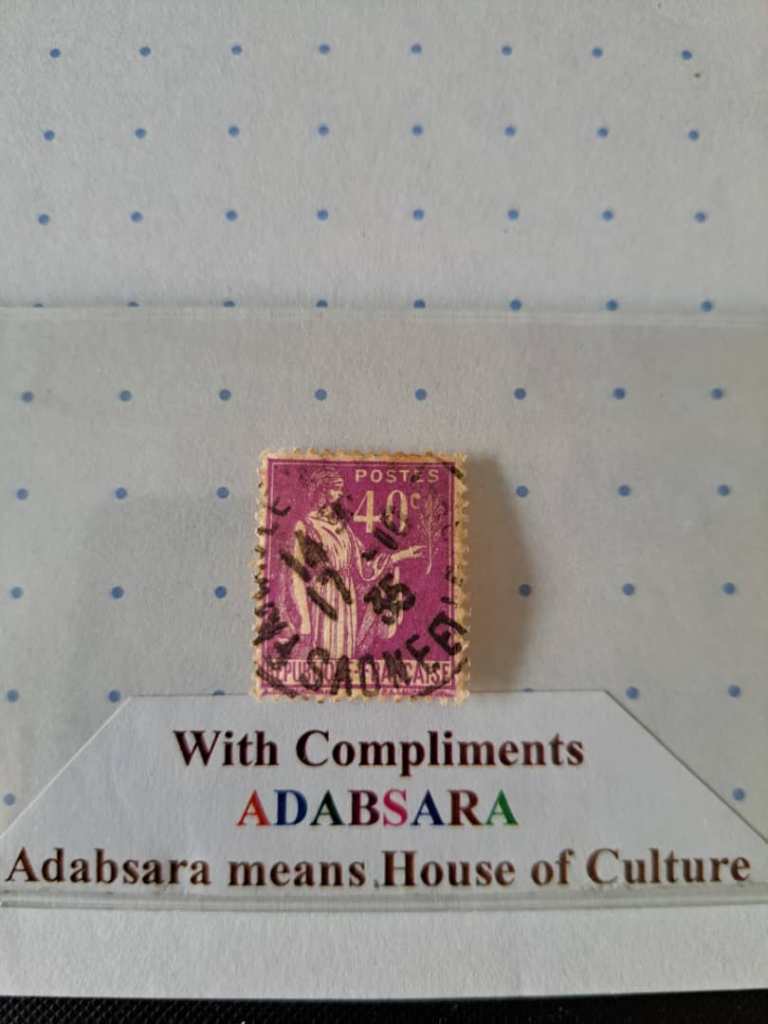
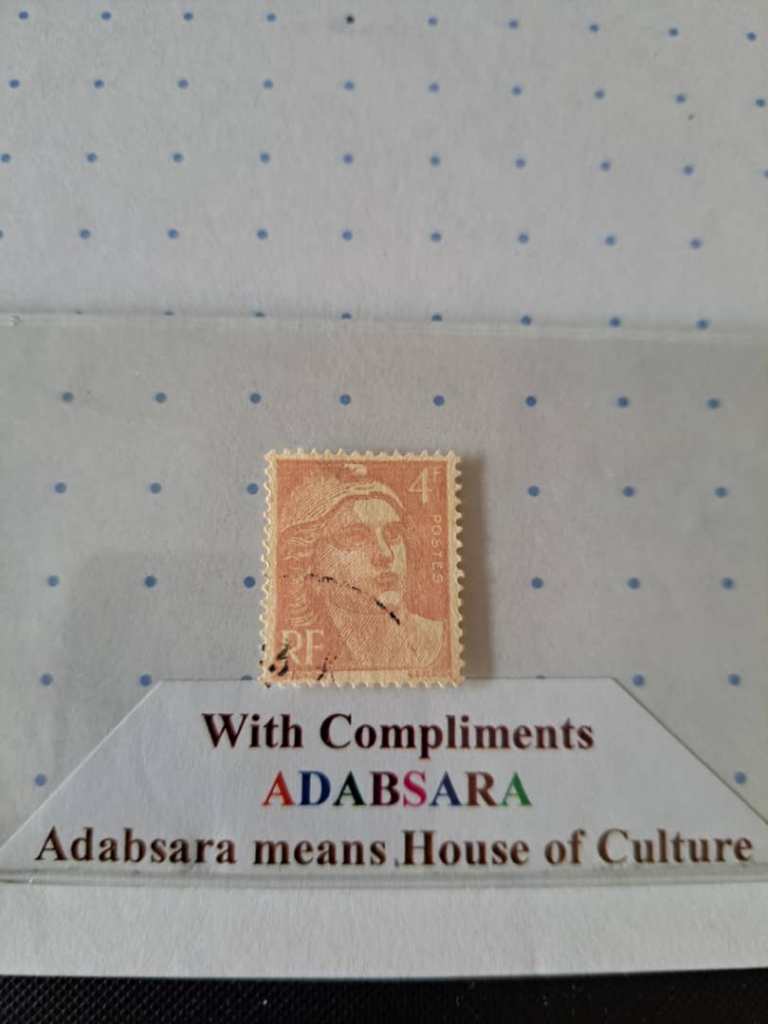
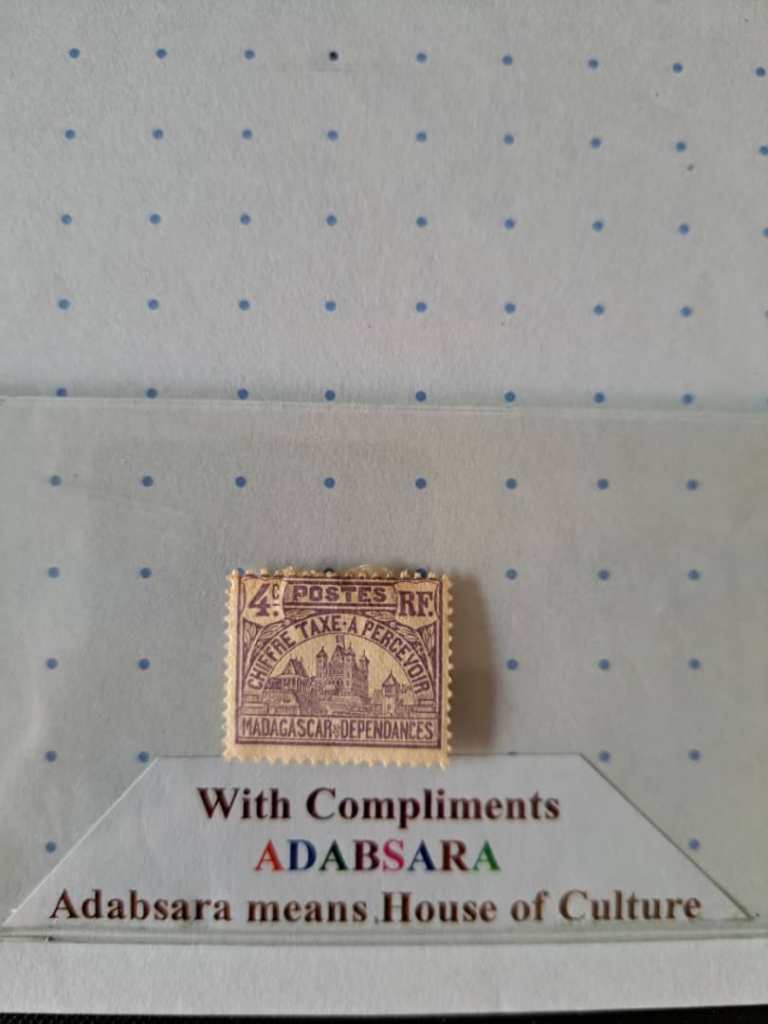
کالا 006205

فروش این تمبر به بالاترین پیشنهاد

پیشنهاد خودتان را به ادبسرا  به نشانی shahvary@gmail.com  اعلام فرمایید.  نتیجه مزایده متعاقباً با ذکر نام و نشانی خریدار به اطلاع دیگر شرکت کنندگان در مزایده خواهد رسید.  پیشنهادهایی مورد بررسی قرار خواهد گرفت که فیمت پیشنهادی شان کمتر از 65 درصد قیمت تمبر/تمبرها بر اساس آخرین کاتالوگ استنلی گیبون نباشد.

اگر به مشخصات بیشتری در باره این تمبر/تمبرها نیاز دارید تردید نکنید به ما بنویسید تا بلافاصله در اختیار شما قرار دهیم.

از شما دعوت می کنیم که که تمبرهای مشابه ادبسرا را هم ببینید.

کتاب های احمد شه وری به تمام متقاضیان در سراسر جهان بصورت PDF  از طریق ایمیل فرستاده می شود. با جستجوی 6 صفر ( 000000) در سایت ادبسرا از فهرست این کتابها مطلع شوید.


This stamp is for sale to the best offer.
Please submit your offer within three months to Adabsara at the address shahvary@gmail.com.
We also invite you to view similar stamps at Adabsara.
Ahmad Shahvary’s books are sent as PDFs via email to all applicants worldwide. To see the list of these books, search for 6 zeros (000000) on the Adabsara website.

Ce timbre est mis en vente au meilleur offreur.
Veuillez soumettre votre offre dans un délai de trois mois à Adabsara à l’adresse shahvary@gmail.com
Nous vous invitons également à consulter les timbres similaires disponibles sur Adabsara.
Les livres d’Ahmad Shahvary sont envoyés sous format PDF par email à tous les demandeurs dans le monde entier. Pour consulter la liste de ces livres, recherchez 6 zéros (000000) sur le site web d’Adabsara.

Diese Briefmarke wird an das beste Angebot verkauft.
Bitte übermitteln Sie Ihr Angebot innerhalb von drei Monaten an Adabsara unter der Adresse shahvary@gmail.com.
Wir laden Sie auch ein, ähnliche Briefmarken bei Adabsara anzusehen.
Die Bücher von Ahmad Shahvary werden allen Interessenten weltweit als PDF per E-Mail zugesandt. Um die Liste dieser Bücher einzusehen, suchen Sie auf der Website von Adabsara nach 6 Nullen (000000).

这枚邮票将出售给最佳报价者。
请在三个月内将您的报价发送至 Adabsara,地址:shahvary@gmail.com。
我们也邀请您查看 Adabsara 上的类似邮票。
Ahmad Shahvary 的书籍将以 PDF 格式通过电子邮件发送给全球所有申请者。要查看这些书籍的列表,请在Adabsara 网站上搜索 6 个零 (000000)。


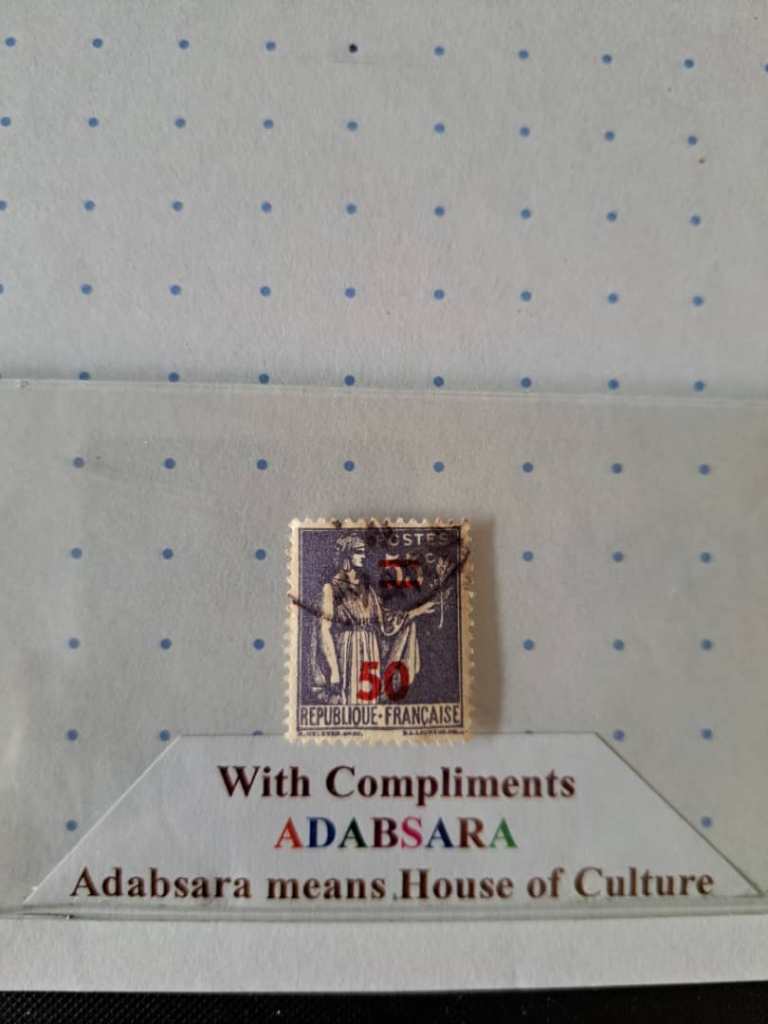
کالا 006207

فروش این تمبر به بالاترین پیشنهاد

پیشنهاد خودتان را به ادبسرا  به نشانی shahvary@gmail.com  اعلام فرمایید.  نتیجه مزایده متعاقباً با ذکر نام و نشانی خریدار به اطلاع دیگر شرکت کنندگان در مزایده خواهد رسید.  پیشنهادهایی مورد بررسی قرار خواهد گرفت که فیمت پیشنهادی شان کمتر از 65 درصد قیمت تمبر/تمبرها بر اساس آخرین کاتالوگ استنلی گیبون نباشد.

اگر به مشخصات بیشتری در باره این تمبر/تمبرها نیاز دارید تردید نکنید به ما بنویسید تا بلافاصله در اختیار شما قرار دهیم.

از شما دعوت می کنیم که که تمبرهای مشابه ادبسرا را هم ببینید.

کتاب های احمد شه وری به تمام متقاضیان در سراسر جهان بصورت PDF  از طریق ایمیل فرستاده می شود. با جستجوی 6 صفر ( 000000) در سایت ادبسرا از فهرست این کتابها مطلع شوید.


This stamp is for sale to the best offer.
Please submit your offer within three months to Adabsara at the address shahvary@gmail.com.
We also invite you to view similar stamps at Adabsara.
Ahmad Shahvary’s books are sent as PDFs via email to all applicants worldwide. To see the list of these books, search for 6 zeros (000000) on the Adabsara website.

Ce timbre est mis en vente au meilleur offreur.
Veuillez soumettre votre offre dans un délai de trois mois à Adabsara à l’adresse shahvary@gmail.com
Nous vous invitons également à consulter les timbres similaires disponibles sur Adabsara.
Les livres d’Ahmad Shahvary sont envoyés sous format PDF par email à tous les demandeurs dans le monde entier. Pour consulter la liste de ces livres, recherchez 6 zéros (000000) sur le site web d’Adabsara.

Diese Briefmarke wird an das beste Angebot verkauft.
Bitte übermitteln Sie Ihr Angebot innerhalb von drei Monaten an Adabsara unter der Adresse shahvary@gmail.com.
Wir laden Sie auch ein, ähnliche Briefmarken bei Adabsara anzusehen.
Die Bücher von Ahmad Shahvary werden allen Interessenten weltweit als PDF per E-Mail zugesandt. Um die Liste dieser Bücher einzusehen, suchen Sie auf der Website von Adabsara nach 6 Nullen (000000).

这枚邮票将出售给最佳报价者。
请在三个月内将您的报价发送至 Adabsara,地址:shahvary@gmail.com。
我们也邀请您查看 Adabsara 上的类似邮票。
Ahmad Shahvary 的书籍将以 PDF 格式通过电子邮件发送给全球所有申请者。要查看这些书籍的列表,请在Adabsara 网站上搜索 6 个零 (000000)。


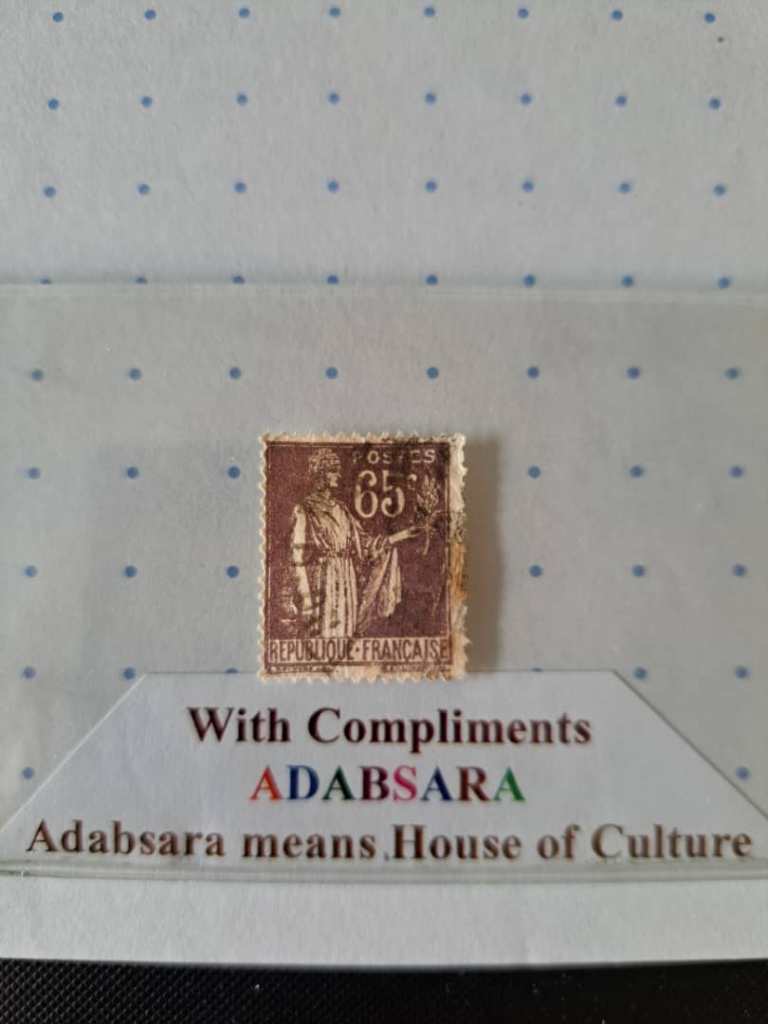
کالا 006203

فروش این تمبر به بالاترین پیشنهاد

پیشنهاد خودتان را به ادبسرا  به نشانی shahvary@gmail.com  اعلام فرمایید.  نتیجه مزایده متعاقباً با ذکر نام و نشانی خریدار به اطلاع دیگر شرکت کنندگان در مزایده خواهد رسید.  پیشنهادهایی مورد بررسی قرار خواهد گرفت که فیمت پیشنهادی شان کمتر از 65 درصد قیمت تمبر/تمبرها بر اساس آخرین کاتالوگ استنلی گیبون نباشد.

اگر به مشخصات بیشتری در باره این تمبر/تمبرها نیاز دارید تردید نکنید به ما بنویسید تا بلافاصله در اختیار شما قرار دهیم.

از شما دعوت می کنیم که که تمبرهای مشابه ادبسرا را هم ببینید.

کتاب های احمد شه وری به تمام متقاضیان در سراسر جهان بصورت PDF  از طریق ایمیل فرستاده می شود. با جستجوی 6 صفر ( 000000) در سایت ادبسرا از فهرست این کتابها مطلع شوید.


This stamp is for sale to the best offer.
Please submit your offer within three months to Adabsara at the address shahvary@gmail.com.
We also invite you to view similar stamps at Adabsara.
Ahmad Shahvary’s books are sent as PDFs via email to all applicants worldwide. To see the list of these books, search for 6 zeros (000000) on the Adabsara website.

Ce timbre est mis en vente au meilleur offreur.
Veuillez soumettre votre offre dans un délai de trois mois à Adabsara à l’adresse shahvary@gmail.com
Nous vous invitons également à consulter les timbres similaires disponibles sur Adabsara.
Les livres d’Ahmad Shahvary sont envoyés sous format PDF par email à tous les demandeurs dans le monde entier. Pour consulter la liste de ces livres, recherchez 6 zéros (000000) sur le site web d’Adabsara.

Diese Briefmarke wird an das beste Angebot verkauft.
Bitte übermitteln Sie Ihr Angebot innerhalb von drei Monaten an Adabsara unter der Adresse shahvary@gmail.com.
Wir laden Sie auch ein, ähnliche Briefmarken bei Adabsara anzusehen.
Die Bücher von Ahmad Shahvary werden allen Interessenten weltweit als PDF per E-Mail zugesandt. Um die Liste dieser Bücher einzusehen, suchen Sie auf der Website von Adabsara nach 6 Nullen (000000).

这枚邮票将出售给最佳报价者。
请在三个月内将您的报价发送至 Adabsara,地址:shahvary@gmail.com。
我们也邀请您查看 Adabsara 上的类似邮票。
Ahmad Shahvary 的书籍将以 PDF 格式通过电子邮件发送给全球所有申请者。要查看这些书籍的列表,请在Adabsara 网站上搜索 6 个零 (000000)。


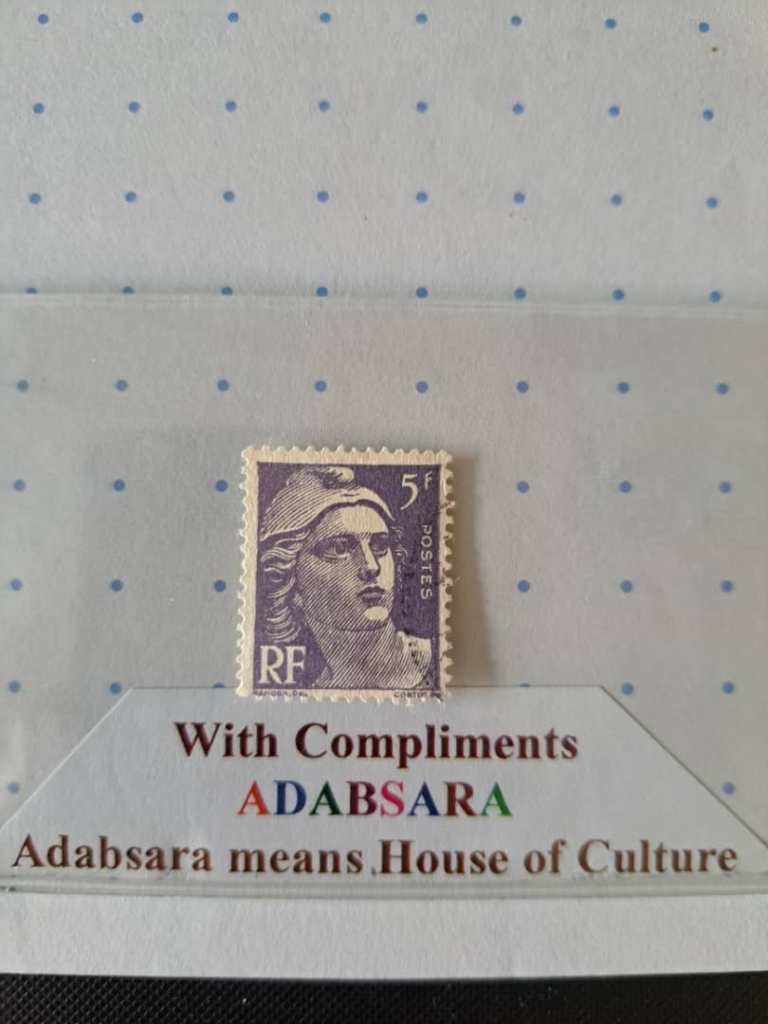
کالا 006202

فروش این تمبر به بالاترین پیشنهاد

پیشنهاد خودتان را به ادبسرا  به نشانی shahvary@gmail.com  اعلام فرمایید.  نتیجه مزایده متعاقباً با ذکر نام و نشانی خریدار به اطلاع دیگر شرکت کنندگان در مزایده خواهد رسید.  پیشنهادهایی مورد بررسی قرار خواهد گرفت که فیمت پیشنهادی شان کمتر از 65 درصد قیمت تمبر/تمبرها بر اساس آخرین کاتالوگ استنلی گیبون نباشد.

اگر به مشخصات بیشتری در باره این تمبر/تمبرها نیاز دارید تردید نکنید به ما بنویسید تا بلافاصله در اختیار شما قرار دهیم.

از شما دعوت می کنیم که که تمبرهای مشابه ادبسرا را هم ببینید.

کتاب های احمد شه وری به تمام متقاضیان در سراسر جهان بصورت PDF  از طریق ایمیل فرستاده می شود. با جستجوی 6 صفر ( 000000) در سایت ادبسرا از فهرست این کتابها مطلع شوید.


This stamp is for sale to the best offer.
Please submit your offer within three months to Adabsara at the address shahvary@gmail.com.
We also invite you to view similar stamps at Adabsara.
Ahmad Shahvary’s books are sent as PDFs via email to all applicants worldwide. To see the list of these books, search for 6 zeros (000000) on the Adabsara website.

Ce timbre est mis en vente au meilleur offreur.
Veuillez soumettre votre offre dans un délai de trois mois à Adabsara à l’adresse shahvary@gmail.com
Nous vous invitons également à consulter les timbres similaires disponibles sur Adabsara.
Les livres d’Ahmad Shahvary sont envoyés sous format PDF par email à tous les demandeurs dans le monde entier. Pour consulter la liste de ces livres, recherchez 6 zéros (000000) sur le site web d’Adabsara.

Diese Briefmarke wird an das beste Angebot verkauft.
Bitte übermitteln Sie Ihr Angebot innerhalb von drei Monaten an Adabsara unter der Adresse shahvary@gmail.com.
Wir laden Sie auch ein, ähnliche Briefmarken bei Adabsara anzusehen.
Die Bücher von Ahmad Shahvary werden allen Interessenten weltweit als PDF per E-Mail zugesandt. Um die Liste dieser Bücher einzusehen, suchen Sie auf der Website von Adabsara nach 6 Nullen (000000).

这枚邮票将出售给最佳报价者。
请在三个月内将您的报价发送至 Adabsara,地址:shahvary@gmail.com。
我们也邀请您查看 Adabsara 上的类似邮票。
Ahmad Shahvary 的书籍将以 PDF 格式通过电子邮件发送给全球所有申请者。要查看这些书籍的列表,请在Adabsara 网站上搜索 6 个零 (000000)。


کالا 006201

فروش این تمبر به بالاترین پیشنهاد

پیشنهاد خودتان را به ادبسرا  به نشانی shahvary@gmail.com  اعلام فرمایید.  نتیجه مزایده متعاقباً با ذکر نام و نشانی خریدار به اطلاع دیگر شرکت کنندگان در مزایده خواهد رسید.  پیشنهادهایی مورد بررسی قرار خواهد گرفت که فیمت پیشنهادی شان کمتر از 65 درصد قیمت تمبر/تمبرها بر اساس آخرین کاتالوگ استنلی گیبون نباشد.

اگر به مشخصات بیشتری در باره این تمبر/تمبرها نیاز دارید تردید نکنید به ما بنویسید تا بلافاصله در اختیار شما قرار دهیم.

از شما دعوت می کنیم که که تمبرهای مشابه ادبسرا را هم ببینید.

کتاب های احمد شه وری به تمام متقاضیان در سراسر جهان بصورت PDF  از طریق ایمیل فرستاده می شود. با جستجوی 6 صفر ( 000000) در سایت ادبسرا از فهرست این کتابها مطلع شوید.


This stamp is for sale to the best offer.
Please submit your offer within three months to Adabsara at the address shahvary@gmail.com.
We also invite you to view similar stamps at Adabsara.
Ahmad Shahvary’s books are sent as PDFs via email to all applicants worldwide. To see the list of these books, search for 6 zeros (000000) on the Adabsara website.

Ce timbre est mis en vente au meilleur offreur.
Veuillez soumettre votre offre dans un délai de trois mois à Adabsara à l’adresse shahvary@gmail.com
Nous vous invitons également à consulter les timbres similaires disponibles sur Adabsara.
Les livres d’Ahmad Shahvary sont envoyés sous format PDF par email à tous les demandeurs dans le monde entier. Pour consulter la liste de ces livres, recherchez 6 zéros (000000) sur le site web d’Adabsara.

Diese Briefmarke wird an das beste Angebot verkauft.
Bitte übermitteln Sie Ihr Angebot innerhalb von drei Monaten an Adabsara unter der Adresse shahvary@gmail.com.
Wir laden Sie auch ein, ähnliche Briefmarken bei Adabsara anzusehen.
Die Bücher von Ahmad Shahvary werden allen Interessenten weltweit als PDF per E-Mail zugesandt. Um die Liste dieser Bücher einzusehen, suchen Sie auf der Website von Adabsara nach 6 Nullen (000000).

这枚邮票将出售给最佳报价者。
请在三个月内将您的报价发送至 Adabsara,地址:shahvary@gmail.com。
我们也邀请您查看 Adabsara 上的类似邮票。
Ahmad Shahvary 的书籍将以 PDF 格式通过电子邮件发送给全球所有申请者。要查看这些书籍的列表,请在Adabsara 网站上搜索 6 个零 (000000)。


کالا 006200

فروش این تمبر به بالاترین پیشنهاد

پیشنهاد خودتان را به ادبسرا  به نشانی shahvary@gmail.com  اعلام فرمایید.  نتیجه مزایده متعاقباً با ذکر نام و نشانی خریدار به اطلاع دیگر شرکت کنندگان در مزایده خواهد رسید.  پیشنهادهایی مورد بررسی قرار خواهد گرفت که فیمت پیشنهادی شان کمتر از 65 درصد قیمت تمبر/تمبرها بر اساس آخرین کاتالوگ استنلی گیبون نباشد.

اگر به مشخصات بیشتری در باره این تمبر/تمبرها نیاز دارید تردید نکنید به ما بنویسید تا بلافاصله در اختیار شما قرار دهیم.

از شما دعوت می کنیم که که تمبرهای مشابه ادبسرا را هم ببینید.

کتاب های احمد شه وری به تمام متقاضیان در سراسر جهان بصورت PDF  از طریق ایمیل فرستاده می شود. با جستجوی 6 صفر ( 000000) در سایت ادبسرا از فهرست این کتابها مطلع شوید.


This stamp is for sale to the best offer.
Please submit your offer within three months to Adabsara at the address shahvary@gmail.com.
We also invite you to view similar stamps at Adabsara.
Ahmad Shahvary’s books are sent as PDFs via email to all applicants worldwide. To see the list of these books, search for 6 zeros (000000) on the Adabsara website.

Ce timbre est mis en vente au meilleur offreur.
Veuillez soumettre votre offre dans un délai de trois mois à Adabsara à l’adresse shahvary@gmail.com
Nous vous invitons également à consulter les timbres similaires disponibles sur Adabsara.
Les livres d’Ahmad Shahvary sont envoyés sous format PDF par email à tous les demandeurs dans le monde entier. Pour consulter la liste de ces livres, recherchez 6 zéros (000000) sur le site web d’Adabsara.

Diese Briefmarke wird an das beste Angebot verkauft.
Bitte übermitteln Sie Ihr Angebot innerhalb von drei Monaten an Adabsara unter der Adresse shahvary@gmail.com.
Wir laden Sie auch ein, ähnliche Briefmarken bei Adabsara anzusehen.
Die Bücher von Ahmad Shahvary werden allen Interessenten weltweit als PDF per E-Mail zugesandt. Um die Liste dieser Bücher einzusehen, suchen Sie auf der Website von Adabsara nach 6 Nullen (000000).

这枚邮票将出售给最佳报价者。
请在三个月内将您的报价发送至 Adabsara,地址:shahvary@gmail.com。
我们也邀请您查看 Adabsara 上的类似邮票。
Ahmad Shahvary 的书籍将以 PDF 格式通过电子邮件发送给全球所有申请者。要查看这些书籍的列表,请在Adabsara 网站上搜索 6 个零 (000000)。


کالا 006199

فروش این تمبر به بالاترین پیشنهاد

پیشنهاد خودتان را به ادبسرا  به نشانی shahvary@gmail.com  اعلام فرمایید.  نتیجه مزایده متعاقباً با ذکر نام و نشانی خریدار به اطلاع دیگر شرکت کنندگان در مزایده خواهد رسید.  پیشنهادهایی مورد بررسی قرار خواهد گرفت که فیمت پیشنهادی شان کمتر از 65 درصد قیمت تمبر/تمبرها بر اساس آخرین کاتالوگ استنلی گیبون نباشد.

اگر به مشخصات بیشتری در باره این تمبر/تمبرها نیاز دارید تردید نکنید به ما بنویسید تا بلافاصله در اختیار شما قرار دهیم.

از شما دعوت می کنیم که که تمبرهای مشابه ادبسرا را هم ببینید.

کتاب های احمد شه وری به تمام متقاضیان در سراسر جهان بصورت PDF  از طریق ایمیل فرستاده می شود. با جستجوی 6 صفر ( 000000) در سایت ادبسرا از فهرست این کتابها مطلع شوید.


This stamp is for sale to the best offer.
Please submit your offer within three months to Adabsara at the address shahvary@gmail.com.
We also invite you to view similar stamps at Adabsara.
Ahmad Shahvary’s books are sent as PDFs via email to all applicants worldwide. To see the list of these books, search for 6 zeros (000000) on the Adabsara website.

Ce timbre est mis en vente au meilleur offreur.
Veuillez soumettre votre offre dans un délai de trois mois à Adabsara à l’adresse shahvary@gmail.com
Nous vous invitons également à consulter les timbres similaires disponibles sur Adabsara.
Les livres d’Ahmad Shahvary sont envoyés sous format PDF par email à tous les demandeurs dans le monde entier. Pour consulter la liste de ces livres, recherchez 6 zéros (000000) sur le site web d’Adabsara.

Diese Briefmarke wird an das beste Angebot verkauft.
Bitte übermitteln Sie Ihr Angebot innerhalb von drei Monaten an Adabsara unter der Adresse shahvary@gmail.com.
Wir laden Sie auch ein, ähnliche Briefmarken bei Adabsara anzusehen.
Die Bücher von Ahmad Shahvary werden allen Interessenten weltweit als PDF per E-Mail zugesandt. Um die Liste dieser Bücher einzusehen, suchen Sie auf der Website von Adabsara nach 6 Nullen (000000).

这枚邮票将出售给最佳报价者。
请在三个月内将您的报价发送至 Adabsara,地址:shahvary@gmail.com。
我们也邀请您查看 Adabsara 上的类似邮票。
Ahmad Shahvary 的书籍将以 PDF 格式通过电子邮件发送给全球所有申请者。要查看这些书籍的列表,请在Adabsara 网站上搜索 6 个零 (000000)。


کالا 006197

فروش این تمبر به بالاترین پیشنهاد

پیشنهاد خودتان را به ادبسرا  به نشانی shahvary@gmail.com  اعلام فرمایید.  نتیجه مزایده متعاقباً با ذکر نام و نشانی خریدار به اطلاع دیگر شرکت کنندگان در مزایده خواهد رسید.  پیشنهادهایی مورد بررسی قرار خواهد گرفت که فیمت پیشنهادی شان کمتر از 65 درصد قیمت تمبر/تمبرها بر اساس آخرین کاتالوگ استنلی گیبون نباشد.

اگر به مشخصات بیشتری در باره این تمبر/تمبرها نیاز دارید تردید نکنید به ما بنویسید تا بلافاصله در اختیار شما قرار دهیم.

از شما دعوت می کنیم که که تمبرهای مشابه ادبسرا را هم ببینید.

کتاب های احمد شه وری به تمام متقاضیان در سراسر جهان بصورت PDF  از طریق ایمیل فرستاده می شود. با جستجوی 6 صفر ( 000000) در سایت ادبسرا از فهرست این کتابها مطلع شوید.


This stamp is for sale to the best offer.
Please submit your offer within three months to Adabsara at the address shahvary@gmail.com.
We also invite you to view similar stamps at Adabsara.
Ahmad Shahvary’s books are sent as PDFs via email to all applicants worldwide. To see the list of these books, search for 6 zeros (000000) on the Adabsara website.

Ce timbre est mis en vente au meilleur offreur.
Veuillez soumettre votre offre dans un délai de trois mois à Adabsara à l’adresse shahvary@gmail.com
Nous vous invitons également à consulter les timbres similaires disponibles sur Adabsara.
Les livres d’Ahmad Shahvary sont envoyés sous format PDF par email à tous les demandeurs dans le monde entier. Pour consulter la liste de ces livres, recherchez 6 zéros (000000) sur le site web d’Adabsara.

Diese Briefmarke wird an das beste Angebot verkauft.
Bitte übermitteln Sie Ihr Angebot innerhalb von drei Monaten an Adabsara unter der Adresse shahvary@gmail.com.
Wir laden Sie auch ein, ähnliche Briefmarken bei Adabsara anzusehen.
Die Bücher von Ahmad Shahvary werden allen Interessenten weltweit als PDF per E-Mail zugesandt. Um die Liste dieser Bücher einzusehen, suchen Sie auf der Website von Adabsara nach 6 Nullen (000000).

这枚邮票将出售给最佳报价者。
请在三个月内将您的报价发送至 Adabsara,地址:shahvary@gmail.com。
我们也邀请您查看 Adabsara 上的类似邮票。
Ahmad Shahvary 的书籍将以 PDF 格式通过电子邮件发送给全球所有申请者。要查看这些书籍的列表,请在Adabsara 网站上搜索 6 个零 (000000)。